Maintenance
Cast iron and enamel care: the routine that makes pans last
Seasoning, the three-minute routine after every meal, re-seasoning twice a year, and the two storage mistakes that quietly destroy cookware.
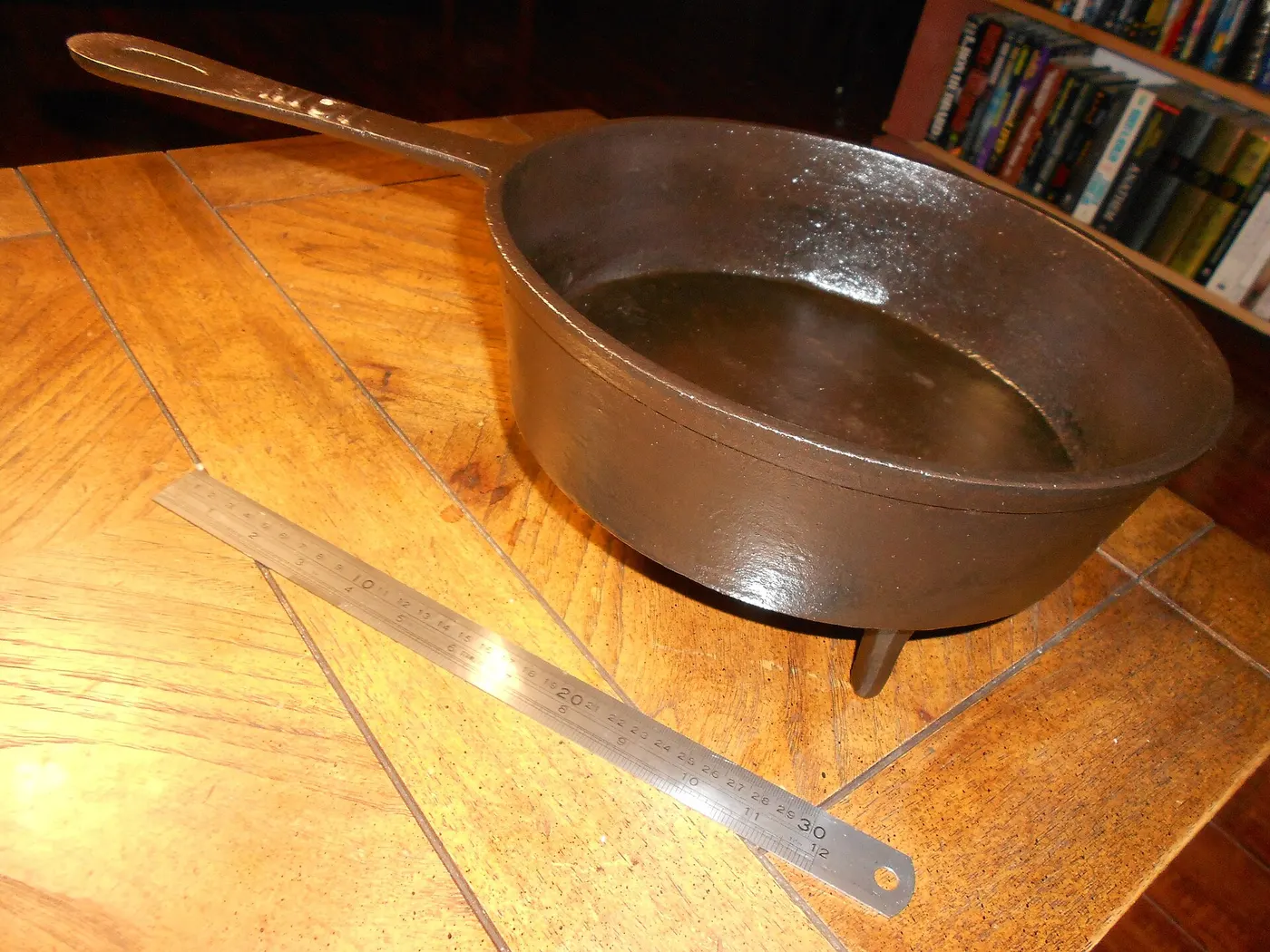
Cast iron does not need much, but it needs that much every single time. The pans that fail are almost never worn out; they are rusted from being left wet, or stripped by a tomato sauce that sat overnight, and both are 3-minute problems that became replacement purchases.
This guide covers the routine for bare iron and the quite different routine for enamel, with the time and the electricity each one costs. Nothing here needs special products: neutral oil, salt, hot water and a stiff brush do all of it.
Advertisement
What seasoning actually is
Seasoning is not oil sitting on the metal. It is a thin layer of polymerised fat, created when oil is heated past its smoke point and bonds to the iron, and that layer is what makes a bare pan release food and resist rust. It is built in thin coats and destroyed in one long soak.
The practical consequences follow directly. Thin coats polymerise and thick coats go sticky, which is why wiping the pan almost dry with a cloth before it goes in the oven matters more than how much oil you started with. Acid dissolves the layer, which is why a tomato sauce held for an hour is fine in enamel and not in bare iron.
Soap is not the enemy it is said to be. Modern dish soap does not strip polymerised fat the way lye-based soap once did, and a pan washed with soap and dried immediately is in better condition than a pan left to soak in plain water for 20 minutes. Standing water is the thing to avoid, not detergent.
- Thin coats bond, thick coats go sticky and flake
- Acidic food held for an hour or more strips the layer; a quick deglaze does not
- Standing water causes rust within hours; soap does not strip seasoning
- Metal utensils are fine on bare iron and will chip enamel
- A dishwasher removes seasoning and will rust a bare pan in a single cycle
The three-minute routine after every meal
Wash the pan while it is still warm, using hot water and a stiff brush, with a little soap if there is fat to shift. Stuck-on residue comes off with coarse salt and a folded paper towel in about 30 seconds without touching the seasoning underneath.
Then dry it properly, which means on the heat rather than on a cloth. Thirty to sixty seconds on a hot burner drives off the water that a towel leaves in the casting's pores, and that is the step that prevents almost every rust problem people have with cast iron.
Finally, half a teaspoon of neutral oil wiped over the inside with a cloth, then wiped again until the pan looks dry rather than oily. Total elapsed time is about 3 minutes, and across 208 cooked meals a year that is roughly 10 hours. It is the whole maintenance programme for a pan that is meant to last 12 years and usually lasts longer.
| Step | Time | What it prevents |
|---|---|---|
| Hot water and a stiff brush while still warm | 60 seconds | Residue baking on next time |
| Coarse salt scrub for stuck-on food | 30 seconds | Scraping through the seasoning |
| Dry on a hot burner | 60 seconds | Rust in the pores of the casting |
| Wipe a little neutral oil, then wipe it off | 30 seconds | Surface oxidation between uses |
About 3 minutes in total. At 4 cooked meals a week that is roughly 10 hours a year, spread 30 seconds at a time.
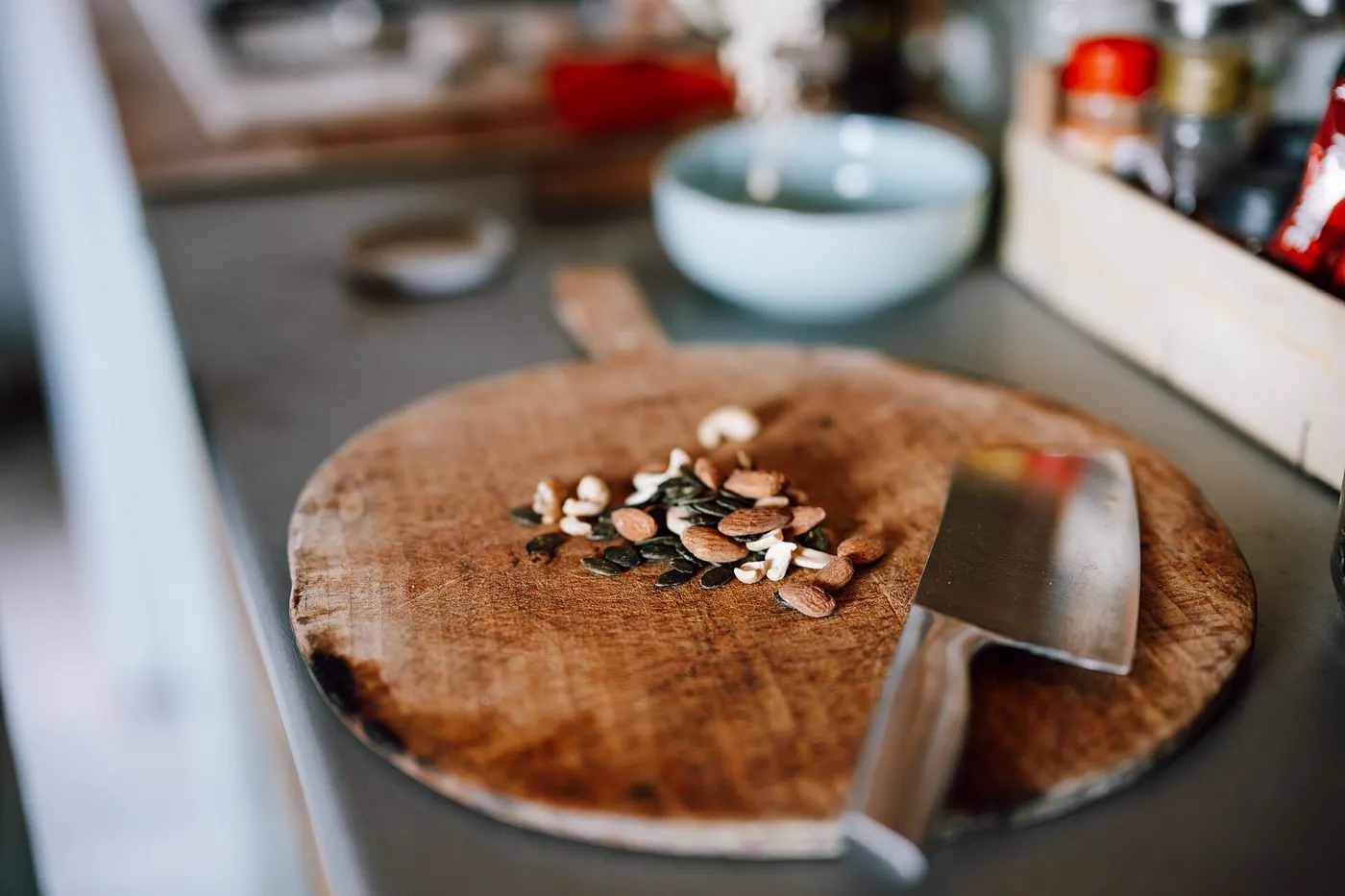
Re-seasoning: three oven cycles and about $1.08
A full re-season is worth doing twice a year, or whenever the surface looks patchy and grey rather than dark and even. Wash and dry the pan, wipe the thinnest possible coat of neutral oil over every surface including the handle and the underside, wipe it off again, and bake it upside down at about 230 °C for 60 minutes.
Three cycles give a durable layer. On a 2,400 W electric oven that is 2.4 kWh a cycle and 7.2 kWh in total, which at an assumed 15 cents per kWh is about $1.08. Allow 30 minutes of cooling between cycles and the whole job occupies an afternoon of roughly 4 hours, nearly all of it unattended.
A 500 mL bottle of neutral oil at an example $6 covers two years of this at twice a year, which is about $3 a year of oil. Added to the electricity, a fully maintained cast iron pan costs under $6 a year to keep, against an example replacement price of $45.
| Item | Quantity | Cost |
|---|---|---|
| Oven at 230 °C, 60 minutes per cycle | 3 cycles, 7.2 kWh | $1.08 at 15 cents per kWh |
| Neutral oil, 500 mL bottle at $6 | About half a bottle a year | About $3.00 a year |
| Re-seasoning twice a year | 2 times | About $5.16 a year in total |
Two re-seasons a year is 6 oven cycles, so $2.16 of electricity plus about $3.00 of oil. Example oil price, not a quotation.
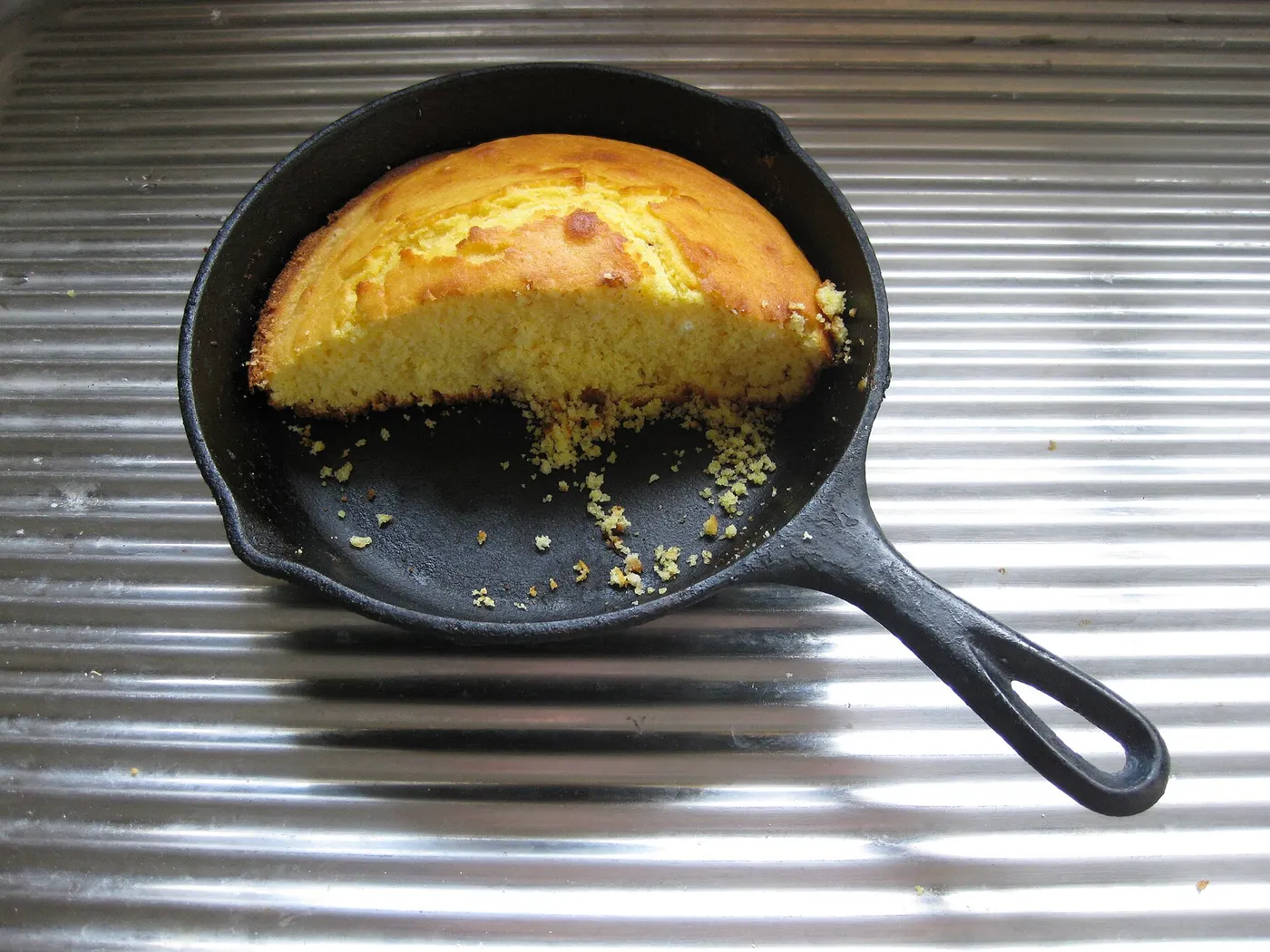
Enamel is a different material with different rules
Enamelled cast iron never needs seasoning, because the cooking surface is glass rather than iron. What it needs instead is protection from impact and from thermal shock. A knock against a tap takes a flake off the rim and that flake does not come back; a hot pan under a cold tap can craze the glaze.
Clean it with hot water and a nylon brush. Stains inside a light-coloured enamel interior lift with a paste of baking soda and water left for 15 minutes, and that is enough for almost everything short of burnt sugar. Steel wool and oven cleaner both damage the surface permanently.
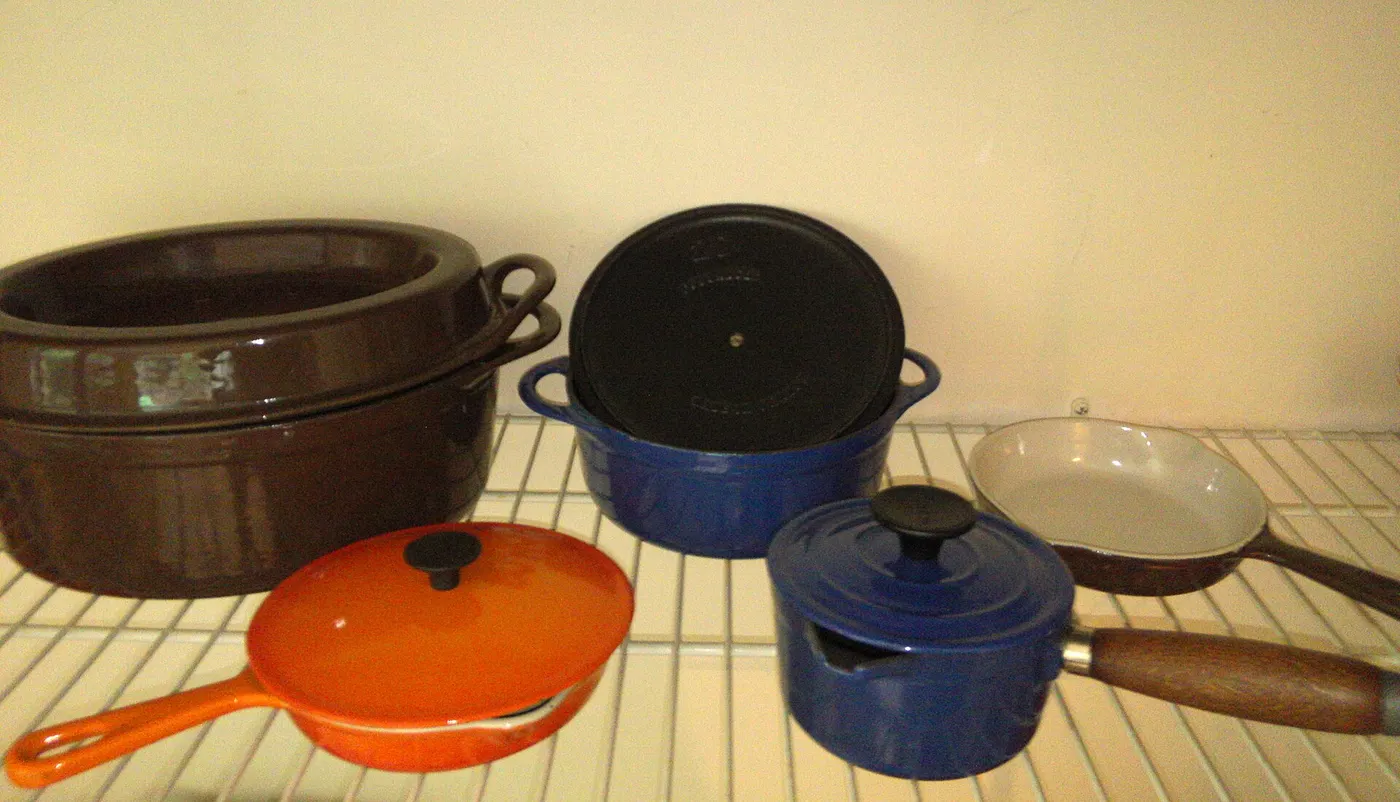
Store enamel pieces with their lids off or with a folded cloth between lid and rim. Rim chips on an enamelled casserole almost always happen in the cupboard rather than on the hob, from one piece being set down inside another.
- Let the pan cool for 10 minutes before it meets water
- Hot water and a nylon brush, never steel wool or oven cleaner
- Baking soda paste for 15 minutes on stains in a light interior
- Lid off or a cloth between lid and rim in storage
- Metal utensils stay in the cast iron drawer, not the enamel one
Storage, and the two mistakes that cost pans
The first mistake is stacking. Pans nested directly inside each other grind the seasoning off bare iron and chip the rims of enamel, and both happen silently over months. A folded tea towel or a felt pad between pieces fixes it for the price of a tea towel.
The second is a damp cupboard. A pan stored above a dishwasher or beside a kettle sits in humid air every day, and bare iron will bloom with surface rust even under a good seasoning. Hanging the pan, or moving it to a drier cupboard, costs nothing and is worth more than any amount of oil.
Surface rust is not fatal if it is caught. Scrub it back with coarse salt or fine steel wool, wash, dry on the heat, and run one re-season cycle at about 25 cents of electricity. A pan recovered that way is indistinguishable from one that never rusted, which is why bare cast iron shows up at 2 cents a meal in the costs guide on this site.
Before you buy
- Wash the pan while it is still warm, with hot water and a stiff brush
- Dry it on a hot burner for 30 to 60 seconds, never on a cloth alone
- Wipe a little neutral oil on and then wipe it off until the pan looks dry
- Diarise a full re-season twice a year, 3 oven cycles of 60 minutes each
- Keep acidic sauces out of bare iron for anything longer than a deglaze
- Put a cloth or felt pad between stacked pans and lids
- Move cookware out of any cupboard that sits in steam from a dishwasher or kettle
Questions readers ask
- Can I use soap on cast iron?
- Yes. Modern dish soap does not dissolve polymerised seasoning, which is why a soapy wash followed by drying on the burner leaves a pan in better condition than a long soak in plain water. What damages seasoning is standing water, strong alkaline cleaners, and acidic food left in the pan for an hour or more.
- How often does a cast iron pan need a full re-season?
- Twice a year is enough for a pan in weekly use with the 3-minute routine after each wash. Do it sooner if the surface turns patchy and grey. Two re-seasons means 6 oven cycles a year, about 14.4 kWh, which is roughly $2.16 of electricity at an assumed 15 cents per kWh plus about $3 of oil.
- My pan has rusted. Is it finished?
- Almost never. Scrub the rust back with coarse salt or fine steel wool until bare metal shows, wash, dry on a hot burner, then run one seasoning cycle at 230 °C for 60 minutes. That single cycle is about 2.4 kWh, roughly 36 cents, and the pan comes back indistinguishable from one that was never neglected.
- Can enamelled cast iron be repaired once it chips?
- The enamel itself cannot be restored at home, and a chip on the outside or the rim is cosmetic rather than dangerous. A chip on the cooking surface exposes bare iron, which will rust and will stain acidic food, so that pan becomes a braising pot rather than a sauce pot. Prevent it with a cloth between stacked pieces.
- Is a seasoning spray better than plain oil?
- The chemistry is the same: heat a thin layer of fat past its smoke point and it polymerises. A $6 bottle of neutral oil lasts about 2 years at two re-seasons a year, which is roughly $3 a year, and the critical variable is how thinly it is applied rather than what it is. Wipe the pan until it looks dry before it goes in the oven.
Sources
- Natural Resources Canada — EnerGuide label for appliances and room air conditioners (electric ranges, cooktops and ovens carry a mandatory label) — checked 2026-11-03
- Government of Canada — Recalls and safety alerts database for consumer products — checked 2026-11-03
- Health Canada — Consumer product safety — checked 2026-11-03
Some links on this site can earn us a commission. That does not change which product a guide recommends, and it adds nothing to your price.